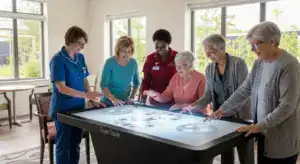
Choosing the right assisted living home for a loved one is one of the most significant and emotionally charged decisions a family can make. You tour beautiful homes, review lists of amenities, and taste the food from the dining menu. But beneath the surface of fresh paint and planned activities lies a critical factor that directly impacts your loved one’s daily happiness, safety, and well-being: the caregiver-to-resident ratio. This simple number can reveal the true level of personalized attention a resident will receive.
While many aspects of senior care are important, the amount of direct, human to human interaction and support available is arguably the most vital. In the search for quality senior living in the Reno and Sparks area, understanding and prioritizing a high caregiver to resident ratio can make all the difference between a place where your loved one simply resides and a home where they can genuinely thrive.

What is a Caregiver-to-Resident Ratio and Why Does It Matter?
At its core, the caregiver-to-resident ratio is a straightforward metric: it tells you how many residents one direct-care staff member is responsible for during a shift. For example, a ratio of 1:15 means one caregiver is tasked with meeting the needs of fifteen residents. Conversely, a ratio of 1:4 means one caregiver is focused on just four residents. The difference in the level of attention one can provide in these two scenarios is profound.
This ratio is more than just a number; it is a direct indicator of attentiveness. A lower number of residents per caregiver what is known as a “high ratio” of staff to residents generally translates to more personalized and timely care. Caregivers in these environments have the bandwidth to do more than just check boxes for basic needs. They have the time to notice subtle changes in health, offer companionship, and respond to requests without feeling perpetually rushed.
Defining “Direct Care Staff”
It’s important to clarify who is included in this ratio. When you inquire about staffing, ensure you are asking specifically about direct care staff. These are the individuals who are hands on with residents, assisting with Activities of Daily Living (ADLs) such as bathing, dressing, medication management, mobility, and eating. The total number of employees may include administrative, kitchen, or maintenance staff, who, while essential to the operation, are not providing direct care to your loved one.
The Impact of Low Staffing Ratios on Resident Well-Being
In many larger, traditional senior living settings, economics often dictate a leaner staffing model to keep operational costs down. While understandable from a business perspective, a low caregiver to resident ratio (meaning one caregiver is responsible for many residents) can have significant consequences for the quality of life within the home. The strain on understaffed teams can inadvertently lead to a care environment that is reactive rather than proactive.
When caregivers are stretched thin, their day becomes a frantic race against the clock. Their focus must remain on the most urgent tasks, such as medication distribution and helping those with the most critical needs. This can unfortunately lead to longer wait times for call buttons, rushed assistance with personal care like bathing, and less time for meaningful social engagement. Residents who are more independent may receive very little interaction at all, potentially leading to feelings of loneliness and isolation.
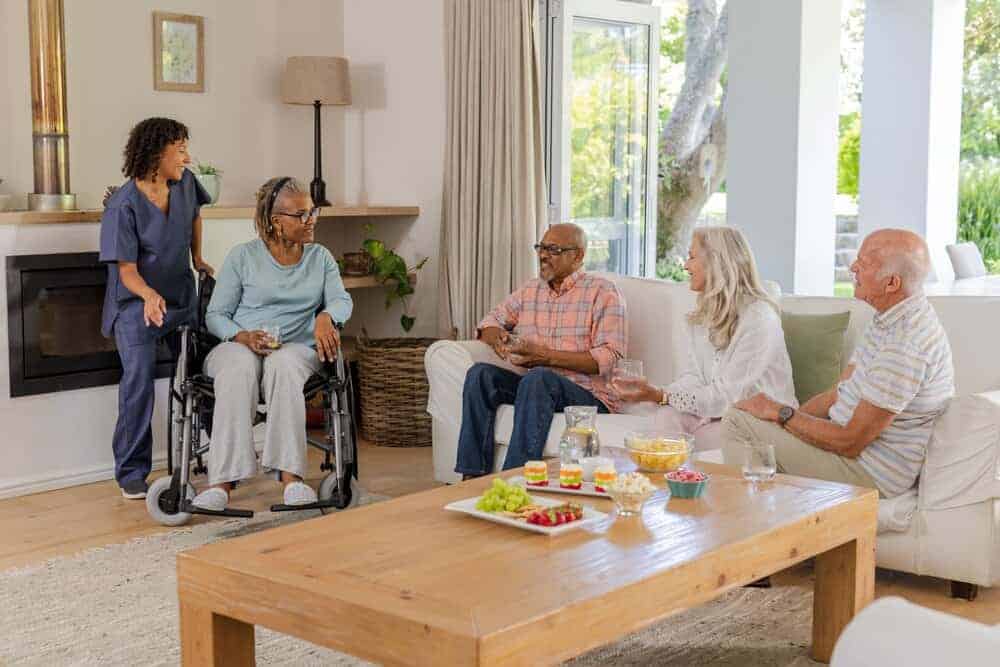
This constant pressure also contributes to high caregiver burnout and turnover, Which further disrupts the continuity of care. When a familiar, trusted caregiver leaves, a resident loses a personal connection and must readjust to someone new, a process that can be stressful and unsettling, especially for those with memory care needs. The ripple effects of inadequate staffing touch nearly every aspect of a resident’s daily experience, from safety and health to emotional and social fulfillment.
Understanding Staffing Regulations in Reno, Nevada
To ensure a baseline of safety, the state of Nevada sets minimum staffing requirements for residential care homes. According to the Nevada Administrative Code, these minimums are determined by the number of residents and the time of day. For example the code stipulates that for 3 to 10 residents, only one staff member is required to be on duty during the day and evening shifts.
You can review the specific regulations for yourself. NAC 449.231 specifies the minimum staffing levels for residential facilities for groups in Nevada.
It is crucial for families to understand that these are minimum requirements, not a benchmark for optimal, high-quality care. A home that simply meets the minimum standard will offer a vastly different experience than one that intentionally invests in higher staffing levels. The state’s baseline ensures no one is left completely unattended but it does not guarantee the kind of proactive, compassionate, and individualized support that allows a person to truly flourish.

The Overwhelming Benefits of a High Caregiver-to-Resident Ratio
Choosing a care home that deliberately maintains a high ratio of caregivers to residents is an investment in your loved one’s quality of life. The benefits extend far beyond simply having someone nearby. It creates an environment where caregivers are empowered to provide the kind of heartfelt, detailed care every person deserves.
When caregivers are responsible for only a few individuals, they transform from task-doers into true care partners. They have the time and mental space to build genuine relationships, understand personal histories, and anticipate needs before they even arise. This fosters a sense of security and trust, which is particularly vital for residents experiencing cognitive decline or anxiety.
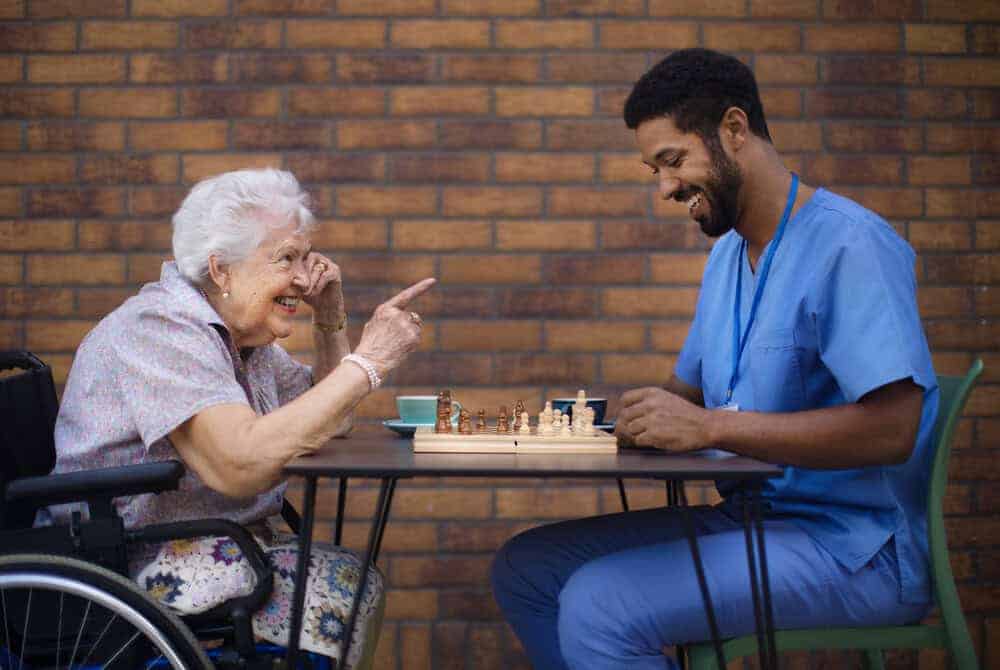
The positive outcomes of this approach are clear and measurable:
- Enhanced Safety: With more eyes and hands available, the risk of falls and other accidents is significantly reduced. Response times to calls for help are nearly immediate.
- Personalized Care Plans: Caregivers know each resident’s unique preferences, from how they like their morning coffee to what time they prefer to bathe. This allows for a daily routine that honors their individuality.
- Improved Health Monitoring: Attentive caregivers are the first line of defense in noticing subtle changes in health, appetite, or mood that could signal an underlying issue, allowing for early intervention.
- Deeper Social and Emotional Connection: A high ratio provides time for conversation, companionship, and shared activities, combating the loneliness and depression that can be common in later life.
- Greater Resident and Family Satisfaction: Families feel more confident and connected, knowing their loved one is receiving consistent, attentive, and compassionate care from a stable and dedicated team.
How to Find Assisted Living with a High Caregiver Ratio in Reno
When you begin your search for senior care, you must become an advocate and an investigator. Look beyond the aesthetics and ask pointed questions to uncover the reality of the daily care environment. A home’ willingness to be transparent about its staffing is often a good sign of its overall philosophy.
Questions to Ask During a Tour
During your visit, have a list of specific questions ready for the director or care manager. Don’t be afraid to dig deep.
- What is your caregiver-to-resident ratio during the day shift? What about the evening and overnight shifts?
- Are these caregivers “direct care” staff, or does that number include other employees?
- How are call buttons for residents typically responded to, and what is the average response time?
- What is your staff turnover rate for the last year? (A low turnover rate suggests a happy, stable team).
- How do you ensure residents who are more independent still get regular social interaction?
In addition to asking, take time to observe. Sit in a common area for 15-20 minutes. Do the caregivers seem stressed and rushed, or calm and engaged? Do you witness warm, personal interactions between staff and residents ? your own observations can often tell you more than a marketing brochure ever could.

A New Approach to Personalized Senior Care in Reno
The growing desire for truly personalized care has inspired a shift away from large-scale, institutional models. For families seeking the ultimate in attentiveness, the solution may not be found in a sprawling building but in the quiet comfort of a real home. Innovative care models are emerging that prioritize the individual by drastically changing the environment itself.
At Amy’s Eden, we built our entire heart-centered philosophy on this principle. We believe that exceptional care happens when you create an environment designed for connection. Our beautiful, residential care homes in Reno and Sparks host a maximum of two residents. This simple, powerful decision ensures that a dedicated, compassionate caregiver is always present, available, and focused. This isn’t just a high ratio; it’s a partnership in care founded on dignity and respect.
This model redefines what families can expect from an assisted living high caregiver ratio Reno experience, shifting the focus from managing a group to cherishing an individual. It allows for a level of flexibility and personalization that is difficult to achieve in larger settings. A resident’s favorite meal can be prepared, a spontaneous desire to sit in the garden can be accommodated, and a bad day can be met with a patient, listening ear. This is what it means to feel truly at home.
Conclusion: The Heart of the Matter
When navigating the complex world of senior care, it’s easy to get lost in the details of square footage and activity calendars. But the true heart of care the element that will most define your loved one’s daily happiness is the human connection they share with their caregivers. The caregiver-to-resident ratio is the most reliable predictor of how much time, energy, and attention will be devoted to your family member as an individual.
Choosing a home for someone you love is a decision that weighs heavily on the heart. By making the caregiver ratio a top priority in your search, you are advocating for their safety, their dignity, and their right to be seen and known. you are choosing a path that leads to a place where they can not only be cared for, but truly cherished.