Making decisions about long-term care for a loved one is one of life’s most significant and emotional journeys. The path is often filled with questions and concerns, especially when you’re trying to find the perfect balance of safety, comfort, and independence. In Carson City, families often find themselves weighing two primary options: residential assisted living and traditional nursing homes. While they both provide senior care, they serve very different needs and offer vastly different living experiences.
Understanding the fundamental distinctions between these models is the first step toward making a confident, heart-centered choice. This guide will walk you through the specifics of each option, helping you determine which environment best aligns with your loved one’s health requirements, personality, and desire for a fulfilling life in their later years.

Understanding the Core Differences: Level of Care
The most significant factor differentiating these two senior care paths is the level of medical supervision provided. One is designed as a clinical setting for complex health needs, while the other is focused on providing support within a true home environment.
What is a Nursing Home?
A nursing home, also known as a skilled nursing facility, is primarily a medical care setting. It is best suited for individuals who require 24-hour nursing care and supervision due to complex, chronic health conditions, significant physical limitations, or post-hospital rehabilitation needs. The environment is structured much like a hospital, with medical staff, including registered nurses and therapists, available around the clock.
Residents in nursing homes often have health issues that demand constant monitoring and skilled medical interventions, such as wound care, IV therapy, or ventilator management. While these centers offer social activities, the main focus is on providing intensive medical and personal care to ensure resident safety and stability.
What is Residential Assisted Living?
Residential assisted living is designed for seniors who need support with daily life but do not require round-the-clock skilled nursing care. The emphasis is on “assistance” rather than intensive medical treatment. The goal is to help residents maintain as much independence as possible in a comfortable, non-clinical setting. Caregivers in these homes help with what are known as Activities of daily Living (ADLs).
Common ADLs include:
- Bathing and showering
- Dressing and grooming
- Medication management
- Meal preparation and eating
- Mobility and transferring (e.g., getting in and out of a chair)
This model provides a safety net of personal support while encouraging residents to live with dignity and autonomy. It’s a solution for those who can no longer live safely on their own but are not in need of a hospital-like environment.
The Environment: Home vs. Institution
Beyond the level of care, the daily atmosphere and living environment represent another major point of contrast. This is where personal preference plays a huge role in a resident’s happiness and overall well- being.
The Nursing Home Atmosphere
Nursing homes are typically larger, institutional buildings that accommodate many residents, sometimes over a hundred. Rooms may be private or semi private, and the overall feel can be more clinical. daily life often follows a structured schedule for meals, activities, and medical treatments. While the staff works hard to create a pleasant atmosphere, the primary function as a medical care center often shapes the environment.
The Residential Assisted Living Experience
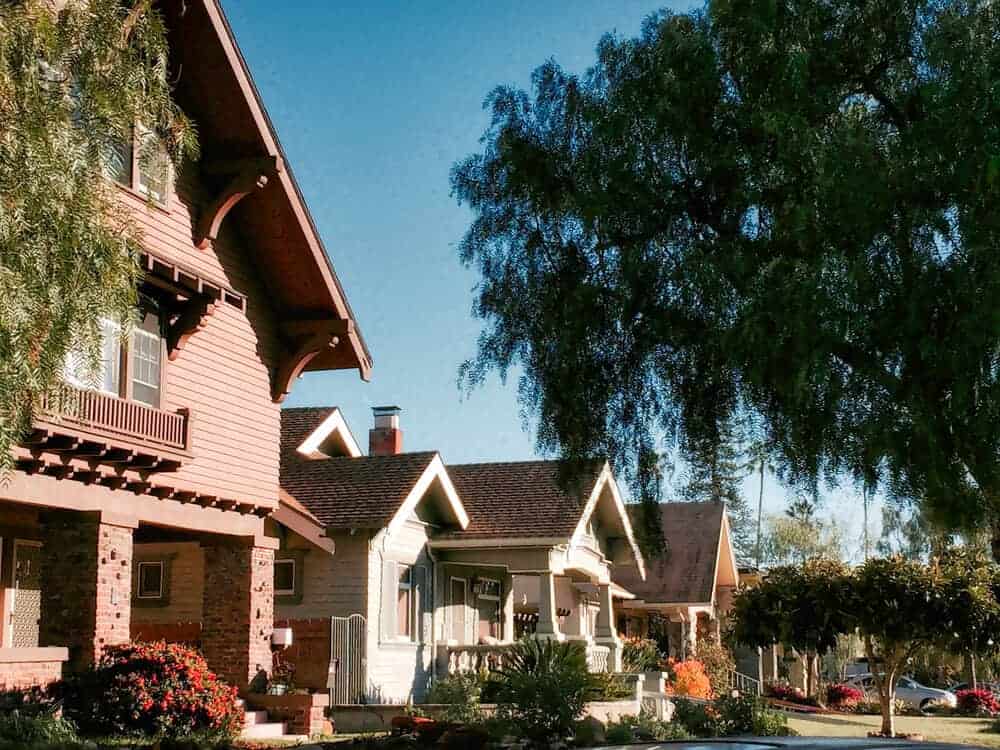
In contrast, residential assisted living often takes place in an actual house located in a regular neighborhood. These care homes are intentionally small, sometimes serving as few as two to ten residents. This creates a much more intimate, family-like atmosphere where deep relationships can form between residents and caregivers.
The smaller scale allows for incredible personalization. Schedules can be flexible, meals can be tailored to individual preferences, and the environment truly feels like a home, not a healthcare building. For many seniors, the ability to live in a quiet residential setting surrounded by a small, consistent group of people is a tremendous source of comfort and security.

A Closer Look at residential assisted living vs nursing home Carson City
Choosing between these options requires a direct comparison based on your loved one’s unique situation. The nuances of residential assisted living vs nursing home Carson City become clearer when laid out side-by-side. Here is a table to help you visualize the differences:
| Feature | Residential Assisted Living | Nursing Home |
|---|---|---|
| Primary Focus | Independence, social well-being, and personal care (ADLs). | Intensive medical care and 24/7 skilled nursing supervision. |
| Environment | A real home in a residential neighborhood; small and intimate. | A larger, clinical, or hospital-like setting. |
| Level of Care | Custodial care, personal assistance, and medication management. | Skilled nursing, post-surgical rehabilitation, complex medical services. |
| Resident-to-Staff Ratio | Often very low (e.g., 1:1 or 1:2), allowing for highly personalized attention. | Typically higher, with staff attending to many residents. |
| Ideal Resident | Needs help with ADLs but is medically stable; seeks a home-like setting. | Has chronic, complex health conditions requiring constant medical oversight. |
Navigating the Cost of Senior Care in Nevada
Cost is a practical and important consideration for every family. Due to the different levels of care and staffing, there is a significant price difference between nursing homes and assisted living.
Nursing homes are generally the most expensive form of long-term care because of the intensive 24/7 skilled medical services they provide. In Nevada, the median monthly cost for a semi-private room in a nursing home can be upwards of $9,500. Conversely assisted living, which focuses on personal care rather than complex medical care, is typically more affordable. The median monthly cost for assisted living in Nevada is around $4,250. (Source: Genworth Cost of Care Survey).
Payment options vary. Many families use private funds, long-term care insurance, or assets from selling a home. It’s also worth exploring if your loved one qualifies for programs like Nevada’s Medicaid Waiver for assisted living, which may help cover costs for eligible individuals. Researching these financial avenues early can ease much of the stress associated with planning.

Making the Heart-Centered Choice for Your Loved One
The “best” choice is not about which option is better in general, but which is the right fit for the person you love. This decision goes beyond a medical checklist; it’s about honoring their personality, preserving their dignity, and finding an environment where they can thrive emotionally and socially.
For a senior who values quiet, craves personal connection, and doesn’t need hospital level care, the bustling, structured environment of a large nursing home may feel overwhelming. In these cases, a residential care home offers a nurturing alternative that feels less like a facility and more like family. some innovative care models are now providing a true nursing home substitute by offering high levels of attention in real homes with extremely low resident numbers sometimes just one or two per home.
This unique approach bridges the gap, providing a safe, attentive environment without the institutional feel. It puts the person first, wrapping compassionate care around their established life and preferences, Rather than asking them to conform to a rigid structure. The most important step is to tour different types of care centers and feel the environment for yourself.

Key Questions to Ask When Exploring Options in Carson City
As you visit different care homes and centers, being prepared with thoughtful questions can help you see past the surface and understand the core philosophy of care. Here are some to get you started:
- What is the exact caregiver-to-resident ratio during the day and overnight?
- How do you create and adapt a resident’s personal care plan?
- Can residents maintain their own schedules for waking, sleeping, and meals?
- How is the environment designed to feel like a home?
- What specific medical services can be coordinated if a resident’s needs change?
- How are families involved and kept up-to-date on their loved one’s well-being?
- What are all the costs involved, and what services are included in the monthly fee?
Choosing a path for a loved one is a profound act of love. It requires research, reflection, and a deep sense of empathy. By understanding the distinct senior care options available in Carson City, you can make an informed, compassionate decision that honors Your loved one’s health, happiness and dignity for the chapter ahead.