It often begins with a small, almost unnoticeable moment. A misplaced set of keys isn’t just lost; it’s found in the refrigerator. A familiar name is not just on the tip of the tongue; it’s as if the name never existed. These small instances can be unsettling, sparking a quiet fear for many families. Is this just a normal part of getting older, or is it something more? Navigating the answer to this question requires compassion, knowledge, and a gentle understanding of the subtle changes that can signal cognitive decline.
Recognizing the early signs of dementia is the first and most crucial step in managing the journey ahead. It’s not about jumping to conclusions but about becoming an informed and observant advocate for your loved one. Differentiating between typical age-related forgetfulness and the more persistent patterns of cognitive change can empower you to seek timely support and plan for the future with clarity and heart. This guide is designed to walk you through the key symptoms, offer perspective, and provide a sense of direction during a time that can feel overwhelming and uncertain.

Understanding Dementia and Cognitive Decline
Before diving into specific symptoms, it’s important to clarify what “dementia” truly means. Many people use the term interchangeably with Alzheimer’s disease, but they aren’t the same. Dementia is not a single disease but an umbrella term that describes a wide range of symptoms associated with a decline in memory, reasoning, or other thinking skills severe enough to interfere with daily life. It occurs when brain cells are damaged.
There are several types of dementia, each with its own cause and pattern of symptoms.
- Alzheimer’s Disease: This is the most common cause of dementia, accounting for 60-80% of cases. It typically begins with difficulty remembering new information.
- Vascular Dementia: Often occurring after a stroke, this type of dementia is related to problems with blood flow to the brain. Symptoms can appear suddenly or begin as a step-by-step decline.
- Lewy Body Dementia (LBD): This condition involves abnormal protein deposits in the brain called Lewy bodies. People with LBD often experience sleep problems, visual hallucinations, and significant fluctuations in alertness and attention.
- Frontotemporal Dementia (FTD): This group of disorders primarily affects the frontal and temporal lobes of the brain, leading to changes in personality, behavior, and language.
Sometimes, an individual may experience what is known as Mild Cognitive Impairment (MCI). MCI is an intermediate stage between the expected cognitive decline of normal aging and the more serious decline of dementia. A person with MCI has problems with memory, language, or another cognitive function, but the problems are not severe enough to interfere significantly with their daily life. Not everyone with MCI will develop dementia, but it does increase the risk.
The 10 Warning Signs of Dementia
The Alzheimer’s Association has outlined a list of key warning signs. Observing one or two of these signs does not automatically mean a person has dementia. However, if you notice several of these symptoms in a loved one, and they are becoming more frequent or severe, it may be time to have a conversation and consult a healthcare professional.
1. Memory Loss That Disrupts Daily Life
This is one of the most well-known early dementia symptoms. It’s more than just occasionally forgetting an appointment or a friend’s name and remembering it later. This type of memory loss is persistent and affects the ability to function. A loved one might ask the same questions repeatedly, completely forgetting the answers they were just given.
They may become increasingly reliant on memory aids, like extensive reminder notes, or depend on family members for things they used to handle themselves. A key difference is the inability to recall recently learned information. Forgetting the plot of a movie they just watched or the details of a significant recent conversation are red flags that go beyond typical age-related memory lapses.
2. Challenges in Planning or Solving Problems
A sudden difficulty with numbers or following a plan can be another subtle sign. This isn’t about making an occasional error when balancing a checkbook. It’s about a noticeable new struggle with tasks that were once routine. Your loved one might find it hard to follow a familiar recipe they’ve used for years or have trouble keeping track of monthly bills.
Concentration may become a significant challenge. Working through a problem with multiple steps, even a simple one, can feel overwhelming. This decline in executive function—the mental processes that enable us to plan, focus attention, and juggle multiple tasks—is a core component of cognitive decline associated with dementia.

3. Difficulty Completing Familiar Tasks
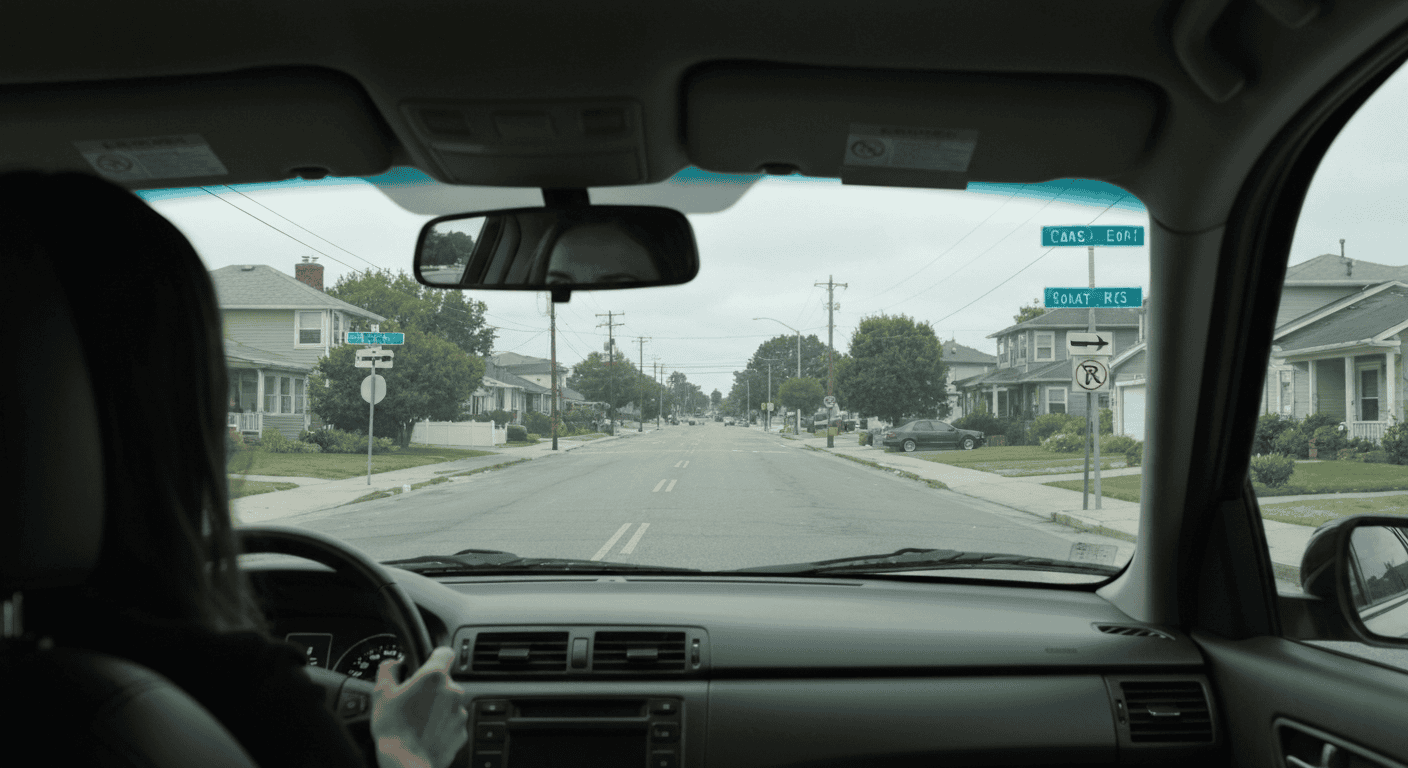
People in the beginning stages of dementia often find it hard to complete daily tasks that were once second nature. This could manifest as trouble driving to a familiar location, like the grocery store or a friend’s house they have visited for decades. They might get lost or feel uncertain about the route.
At home, they might struggle to operate a familiar appliance like the microwave or television remote. Remembering the rules of a favorite card game or managing a budget at work are other examples. The task itself is not the issue; it’s the brain’s ability to execute the sequence of steps required to complete it that has become impaired.
4. Confusion with Time or Place
Losing track of the date or the season is a common symptom. While it’s normal for anyone to briefly forget the day of the week, for someone with early dementia, this confusion can be more profound. They might believe it is a different year or be unsure of how they got to their current location.
This confusion with time and place is often why individuals may get lost in familiar places. The internal compass that helps us navigate our world becomes unreliable. They might forget where they are or not understand the passage of time, feeling as though an event that happened hours ago just occurred.
5. Trouble Understanding Visual Images and Spatial Relationships
For some people, vision problems are an early sign. This isn’t about cataracts or other age-related eye conditions. It’s about the brain’s ability to process what the eyes see. They may have difficulty with reading because words appear jumbled. They might struggle to judge distances, which can make driving or navigating stairs dangerous.
Determining color or contrast can also become a challenge. They might misjudge a step or bump into things that are clearly visible to others. These spatial and visual difficulties are a direct result of damage to the brain’s processing centers and can significantly impact a person’s safety and independence.
6. New Problems with Words in Speaking or Writing
Joining or following a conversation can become a struggle. A person with early dementia might stop in the middle of a sentence with no idea how to continue, or they may repeat themselves. They might struggle with vocabulary, having trouble finding the right word to express their thoughts.
You may notice them calling things by the wrong name, such as referring to a “watch” as a “hand-clock.” This difficulty with communication can be frustrating and isolating, leading them to withdraw from conversations and social situations to avoid embarrassment.
7. Misplacing Things and Losing the Ability to Retrace Steps
We all misplace things from time to time, but the behavior associated with dementia is different. A person may put objects in unusual places, like putting their wallet in the dishwasher or a book in the oven. The more significant issue is their inability to retrace their steps to find the lost item.
This often leads to suspicion, as they may accuse others of stealing the items they cannot find. This isn’t a character flaw or an attempt to be difficult; it’s a genuine consequence of memory loss and the inability to think logically through the sequence of past actions.
8. Decreased or Poor Judgment
A noticeable shift in judgment or decision-making abilities is a critical warning sign. This can manifest in various ways, such as making poor decisions with money, like giving large sums to telemarketers or falling for obvious scams.
Another area where poor judgment appears is in personal grooming and hygiene. A loved one who was once meticulous about their appearance may start wearing stained clothes, forget to bathe, or seem generally unkempt. They may also make socially inappropriate comments or act impulsively, showing a lack of awareness of social norms.

9. Withdrawal from Work or Social Activities
The cumulative effect of all these challenges—trouble with memory, communication, and completing tasks—can take a heavy emotional toll. As a result, it is common for a person showing early dementia symptoms to withdraw from hobbies, social gatherings, or work projects.
They may feel ashamed or frustrated by their changing abilities and find it easier to avoid situations where their struggles might be apparent. This withdrawal and apathy can be mistaken for depression, but it is often a direct result of the cognitive decline they are experiencing. They may lose their spark or initiative to do things they once loved.
10. Changes in Mood and Personality
A person’s fundamental personality can change in the beginning stages of dementia. Someone who was once easygoing may become irritable, anxious, or easily upset. Conversely, someone who was more reserved might become unusually outgoing or disinhibited.
Fear, confusion, suspicion, or depression are common. These mood changes are particularly pronounced when a person is outside of their comfort zone or when their routine is disrupted. They may become clingy or shadow a family member, seeking constant reassurance in a world that is becoming increasingly confusing to them.
Distinguishing Early Dementia from Normal Aging
It’s natural to read through this list and feel a pang of worry, as some of these signs can overlap with the normal aging process. The key difference often lies in the frequency and severity of the symptoms and their impact on daily life. The table below offers a simple comparison.
| Symptom Area | Normal Age-Related Change | Potential Dementia Sign |
|---|---|---|
| Decision Making | Making a bad decision once in a while. | Exhibiting consistently poor judgment and decision-making. |
| Forgetting | Sometimes forgetting which word to use. | Having significant trouble holding or following a conversation. |
| Misplacing Things | Misplacing things from time to time. | Putting things in illogical places and being unable to retrace steps. |
| Memory | Occasionally forgetting names or appointments but remembering them later. | Experiencing memory loss that disrupts daily life; forgetting recently learned info. |
| Sense of Direction | Feeling momentarily confused about the day of the week. | Losing track of dates, seasons, or the passage of time; getting lost in familiar places. |

When to See a Doctor for Memory Loss
This article provides information, not a diagnosis. If you are concerned about yourself or a loved one, the most important step is to schedule an appointment with a healthcare professional. An early and accurate dementia diagnosis can provide access to treatment options, support services, and the opportunity to plan for the future. Worldwide, over 55 million people live with dementia, and seeking help is a sign of strength and proactive care. [Source: World Health Organization](https://www.who.int/news-room/fact-sheets/detail/dementia)
During the visit, a doctor will likely review the person’s medical history, ask about the symptoms, and may conduct a physical exam. They may also use a dementia test, which includes a series of questions and tasks designed to assess memory, problem-solving, and other thinking skills. This evaluation helps determine if the symptoms are caused by dementia or another treatable condition, such as a vitamin deficiency, thyroid problem, or medication side effect.
The Importance of a Heart-Centered Approach to Care
Receiving a dementia diagnosis can be life-altering, bringing a wave of emotions for both the individual and their family. It marks the beginning of a new chapter, one that requires patience, resilience, and an abundance of compassion. As cognitive abilities change, the need for a safe, stable, and understanding environment becomes paramount. The focus must shift from what is lost to what remains, and to preserving dignity and quality of life.
For many families, the thought of a traditional large-scale nursing home can be daunting. The good news is that the landscape of senior care is evolving. The focus is shifting towards more personalized, innovative, and heart-centered environments where individuality is not just respected but celebrated. This new way of thinking prioritizes what is best for the resident’s emotional and physical well-being.
Solutions that provide care in a real home setting, with a very small number of residents, can offer a profound sense of normalcy and comfort. This intimate model ensures that each person receives dedicated, consistent attention. It allows for deep, meaningful connections to form between caregivers and residents, fostering a true family-like atmosphere that is often difficult to achieve in larger settings. In such a care center, the routine is built around the resident, not the other way around, allowing for a life that continues to be filled with purpose and joy.

Recognizing the warning signs of dementia is not an end point; it is a starting point. It is an invitation to approach your loved one with greater empathy, to seek knowledge, and to explore a future that can still be rich and meaningful. By staying observant and leading with your heart, you can ensure your loved one receives the support they need and the dignity they deserve on every step of their journey.