Creating a safe and nurturing environment for a loved one with dementia is one of the most profound acts of love a caregiver can perform. As dementia progresses, a person’s perception of the world changes, and a familiar home can suddenly present unexpected challenges. The goal isn’t to create a sterile space, but to thoughtfully adapt the home to support their independence, preserve their dignity, and ensure their well-being. This process is an ongoing journey of observation and adjustment, rooted in compassion.
Navigating this path can feel overwhelming, but you are not alone. This guide provides a comprehensive dementia home safety checklist to help you identify potential hazards and implement practical solutions. By taking a proactive, room-by-room approach, you can create a sanctuary that minimizes risks and maximizes comfort for your loved one.
Understanding the ‘Why’ Behind Home Safety for Dementia
To effectively dementia-proof a home, it’s helpful to understand how the condition can affect a person’s senses and judgment. Dementia is more than just memory loss; it can impact reasoning, coordination, and perception. A person with dementia may not recognize a hazard, such as a wet floor, or may misinterpret what they see. For example, a dark-colored rug on a light-colored floor might be perceived as a hole, causing hesitation or a fall.
Common cognitive and physical changes that create safety risks include impaired judgment, confusion, balance and mobility issues, and disorientation to time and place. These challenges can heighten the risk of falls, accidental poisonings, burns, and wandering. According to the CDC, falls are a significant concern, with millions of older adults treated for fall injuries in emergency departments each year. (Source: CDC) By anticipating these challenges, your safety modifications become more effective and empathetic.
The Comprehensive Checklist: A Room-by-Room Guide
Use this checklist as a starting point. Every individual’s experience with dementia is unique, so observe your loved one’s specific behaviors and adapt their environment accordingly. The most effective safety plan is a personalized one.
General Home-Wide Safety Measures
These foundational adjustments apply to the entire home and are crucial for preventing accidents.
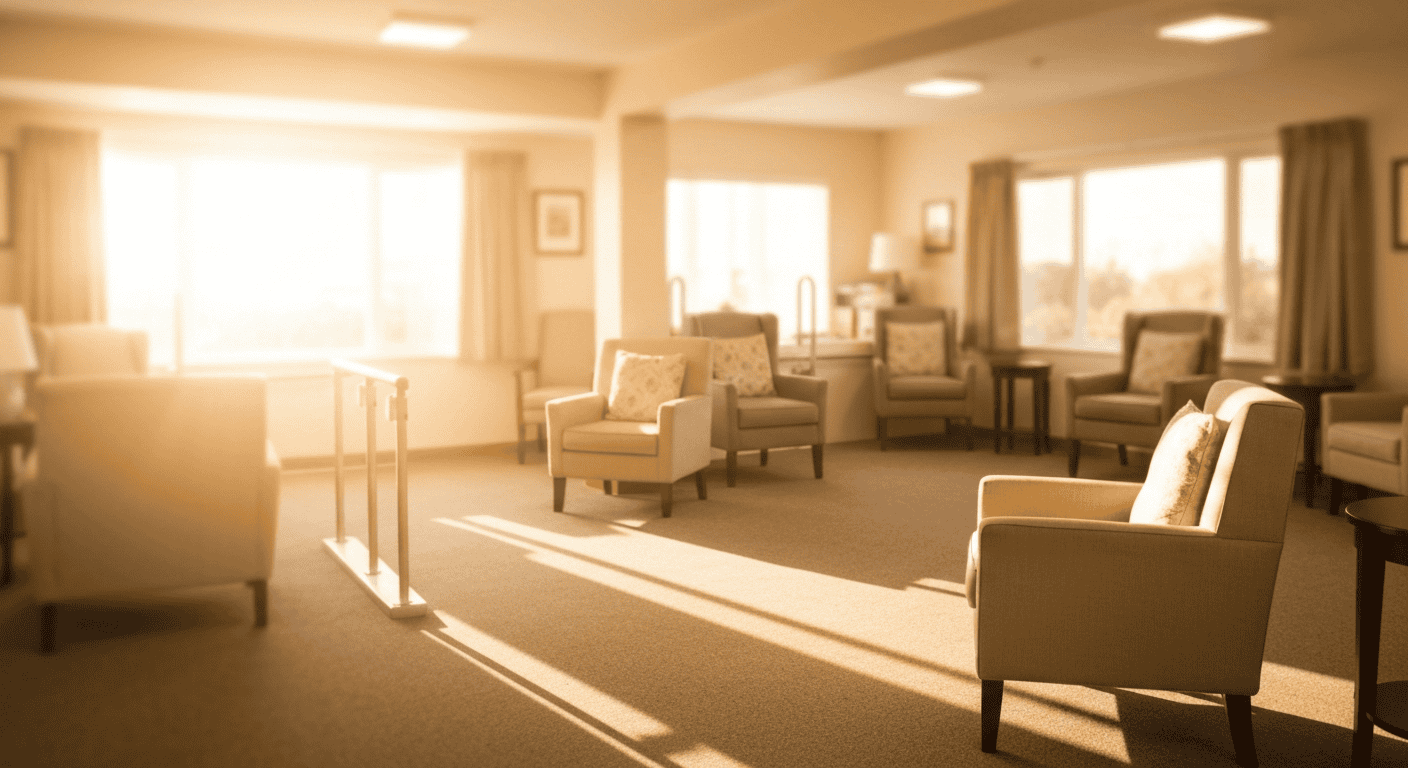
- Improve Lighting: Poor lighting can increase confusion and the risk of falls. Add extra lamps, especially in hallways and stairwells. Use nightlights in bedrooms, hallways, and bathrooms to illuminate pathways for nighttime waking.
- Remove Trip Hazards: Clear pathways are essential. Secure or remove area rugs, tape down electrical cords along baseboards, and reduce clutter. Ensure furniture is arranged to allow for easy and unobstructed movement.
- Secure Toxic Substances: Lock away all potentially harmful substances, including cleaning supplies, paint, and detergents. It may be helpful to use childproof locks on cabinets where these items are stored.
- Emergency Preparedness: Post an emergency contact list in a visible location, like on the refrigerator. Include numbers for family members, doctors, the local police, and the Poison Control Center.
Dementia Bathroom Safety
The bathroom is a high-risk area for slips and falls due to wet surfaces. It also presents risks related to water temperature and medication access.
Preventing Slips and Burns
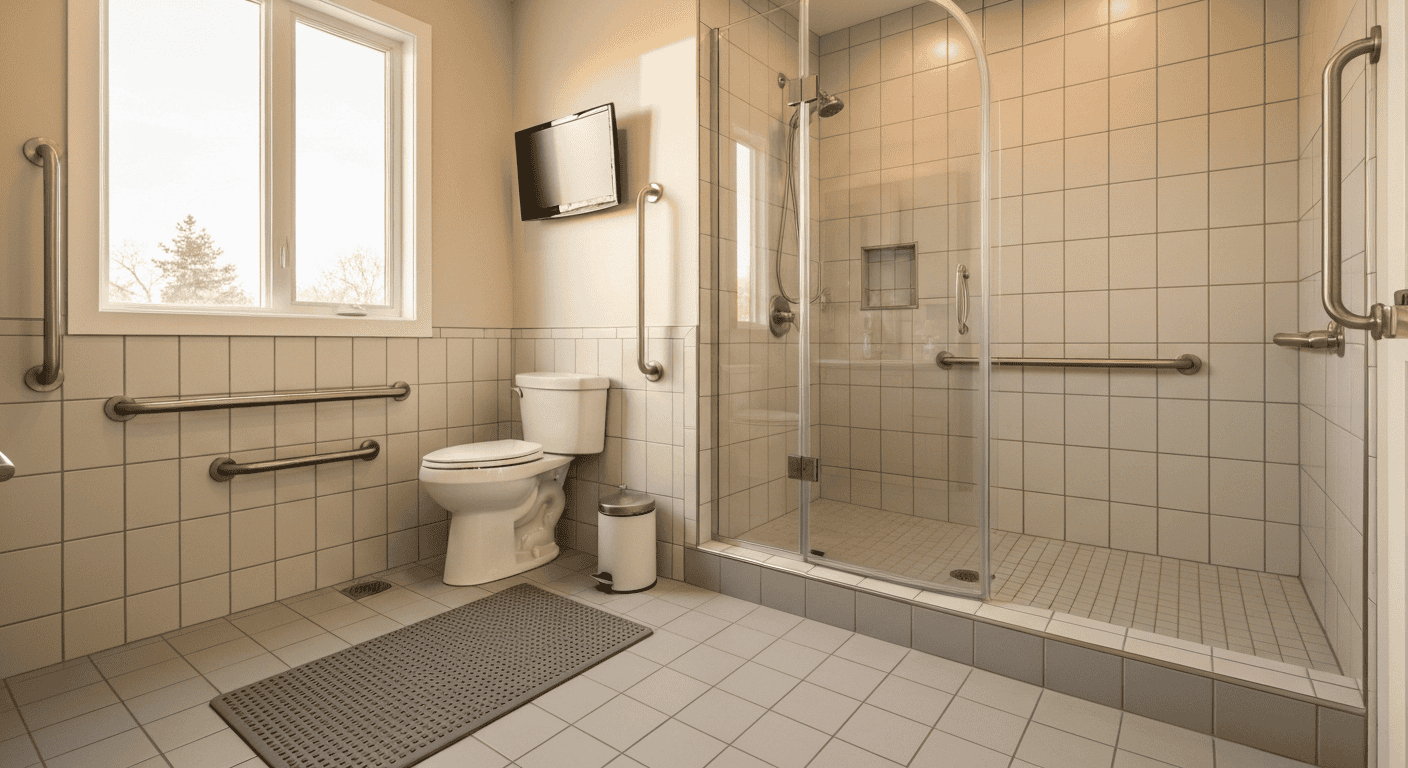
- Install Grab Bars: Place sturdy grab bars near the toilet, in the shower, and by the tub. These should be professionally installed to ensure they can support a person’s full weight. Towel racks are not a safe substitute.
- Use Non-Slip Mats: Place non-slip mats both inside the tub or shower and on the bathroom floor. Consider using a shower chair or tub bench to provide a stable place to sit while bathing.
- Set Water Temperature: To prevent scalding, set the thermostat on your water heater to 120°F (49°C) or lower. You can also install anti-scald devices on faucets.
Securing Medications
Lock all medications—both prescription and over-the-counter—in a cabinet or lockbox. A person with dementia may not remember if they have taken their medicine, leading to accidental overdose. Consider using a locked medication dispenser for medication management.
Kitchen Safety for Alzheimer’s
The kitchen is filled with potential hazards, from sharp objects to hot appliances. Simple modifications can significantly reduce these risks.
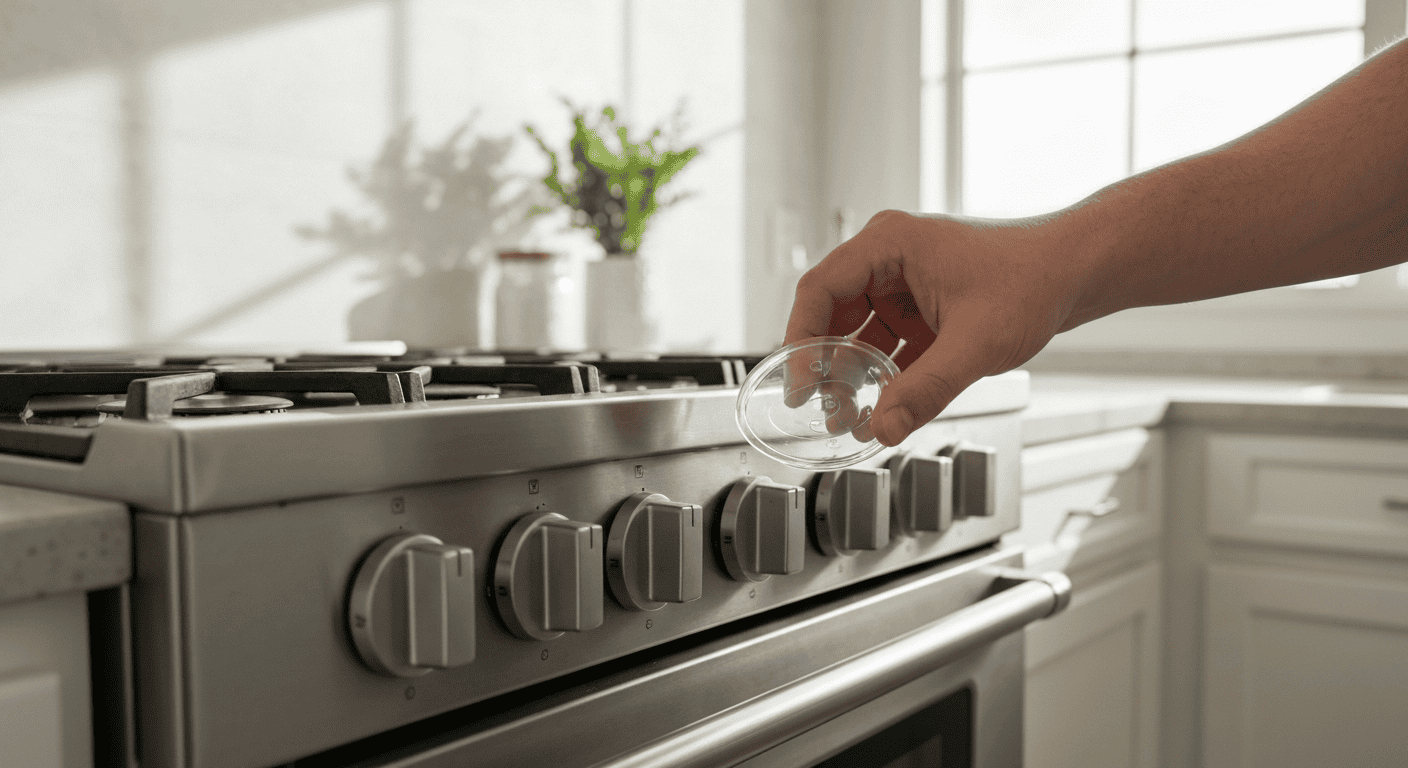
- Appliance Safety: Install stove safety knobs or an automatic shut-off device for the stove. Unplug small appliances like toasters and blenders when not in use to prevent accidental activation.
- Secure Sharp Objects: Store knives, scissors, and other sharp utensils in a locked drawer or cabinet.
- Food Safety: Regularly check the refrigerator for spoiled food. A person with dementia may not be able to distinguish between fresh and expired items. Clear containers can help with identifying contents.
- Remove Imitation Foods: Get rid of any artificial fruits or decorative food items that could be mistaken for real food.
Bedroom and Living Area Safety
Creating a calm, secure, and easily navigable living space and bedroom is vital for rest and reducing anxiety.
- Stairway Safety: If there are stairs, ensure they are well-lit with handrails on both sides. Consider installing safety gates at the top and bottom of stairs, especially if wandering is a concern.
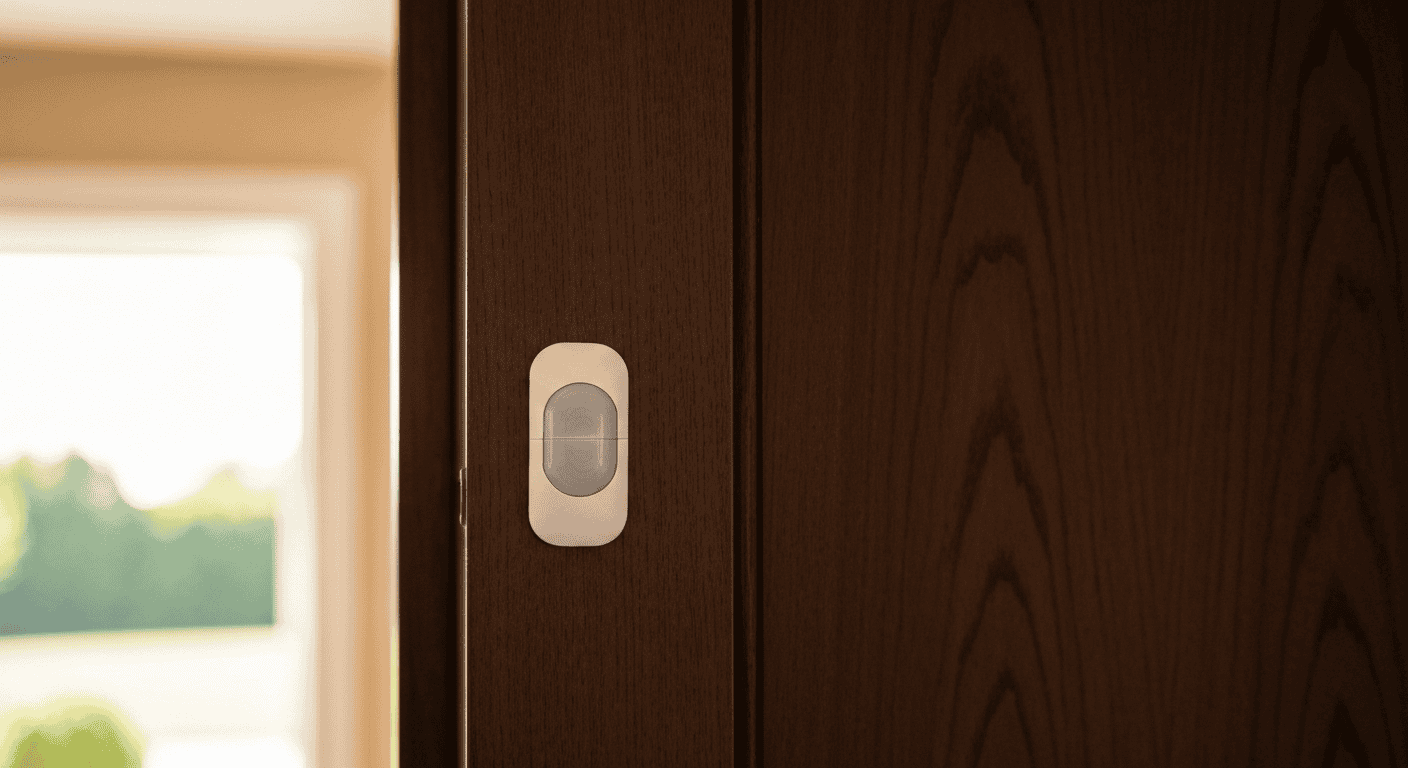
- Wandering Prevention: To prevent a loved one from leaving the home unsupervised, you might install door and window alarms or use simple slide-bolt locks placed high or low on exterior doors.
- Furniture and Decor: Ensure all furniture is sturdy and stable. Remove or replace pieces with sharp corners. A simple, uncluttered environment with familiar objects can help reduce confusion and agitation.
Beyond the Checklist: Advanced Safety and Support
A safe home is more than just physical modifications; it’s about creating a supportive and predictable routine. This includes diligent medication management and addressing complex behaviors like wandering.
Medication Management for Seniors
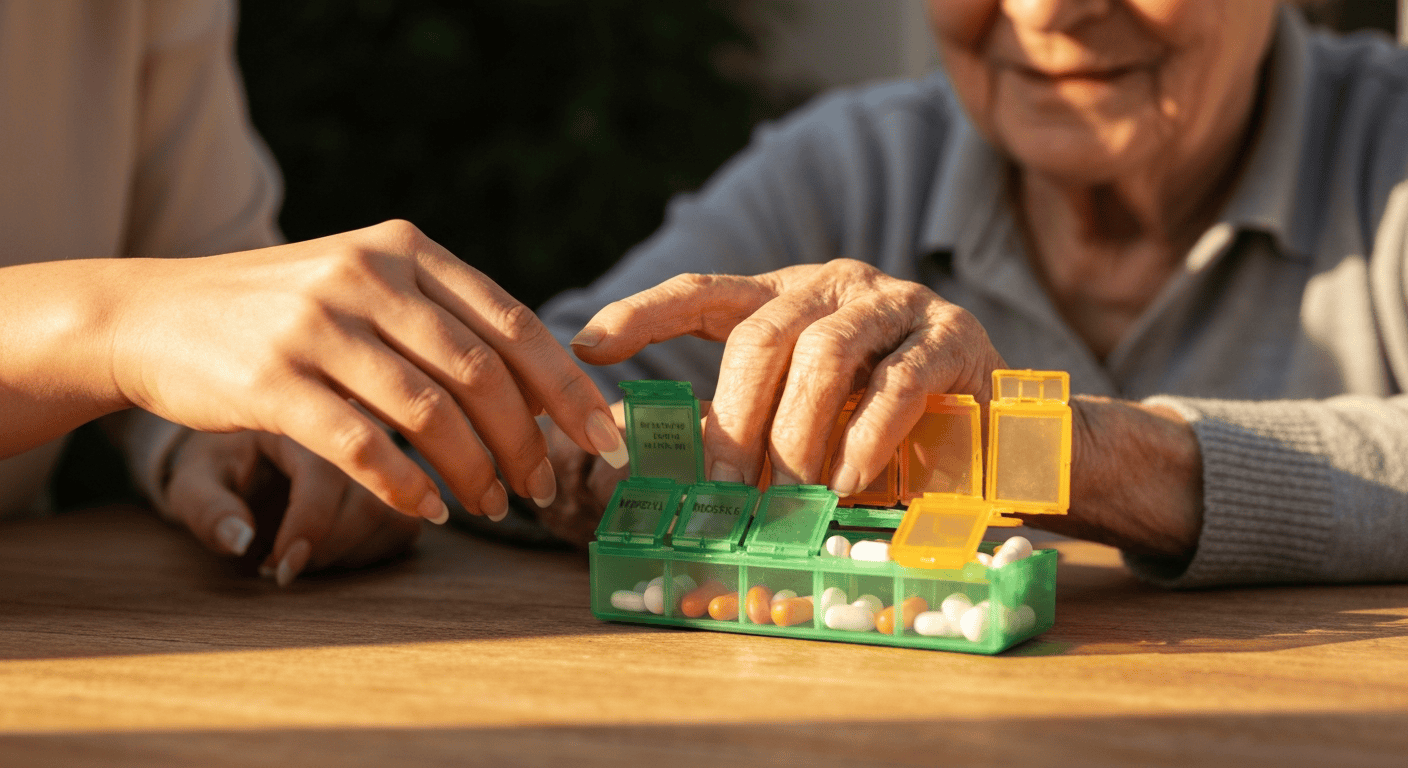
A consistent medication routine is critical. Use a weekly pill organizer to pre-sort medications. For more advanced needs, automated pill dispensers can be programmed to release the correct dose at the right time and provide an alert. Always supervise medication administration to ensure it’s taken correctly.
Wandering Prevention and Response
Wandering can be a common and stressful behavior. It may stem from a need to “go to work” or “go home,” or from simple boredom or restlessness. In addition to door alarms, some families find GPS tracking devices (worn as a watch or placed in a shoe) offer peace of mind. It’s also helpful to address the underlying cause. A daily walk or engaging in a simple, repetitive activity can sometimes help reduce the urge to wander.
When Professional Care Becomes the Safest Option
At some point, the level of care and supervision required may exceed what one person can provide at home. This is not a failure but a natural progression of the disease. When round-the-clock supervision becomes necessary for safety, it may be time to explore professional care options that can offer a secure and specialized environment.
Many people think of large nursing homes, but heart-centered, innovative models are emerging. Some approaches focus on creating true “safe havens” by providing care in actual residential homes with a very small number of residents. This model allows for constant, direct supervision and a highly personalized environment that can be meticulously managed for safety. The intimate setting helps minimize the confusion and agitation that can arise in larger, more crowded environments, offering a peaceful and dignified alternative.
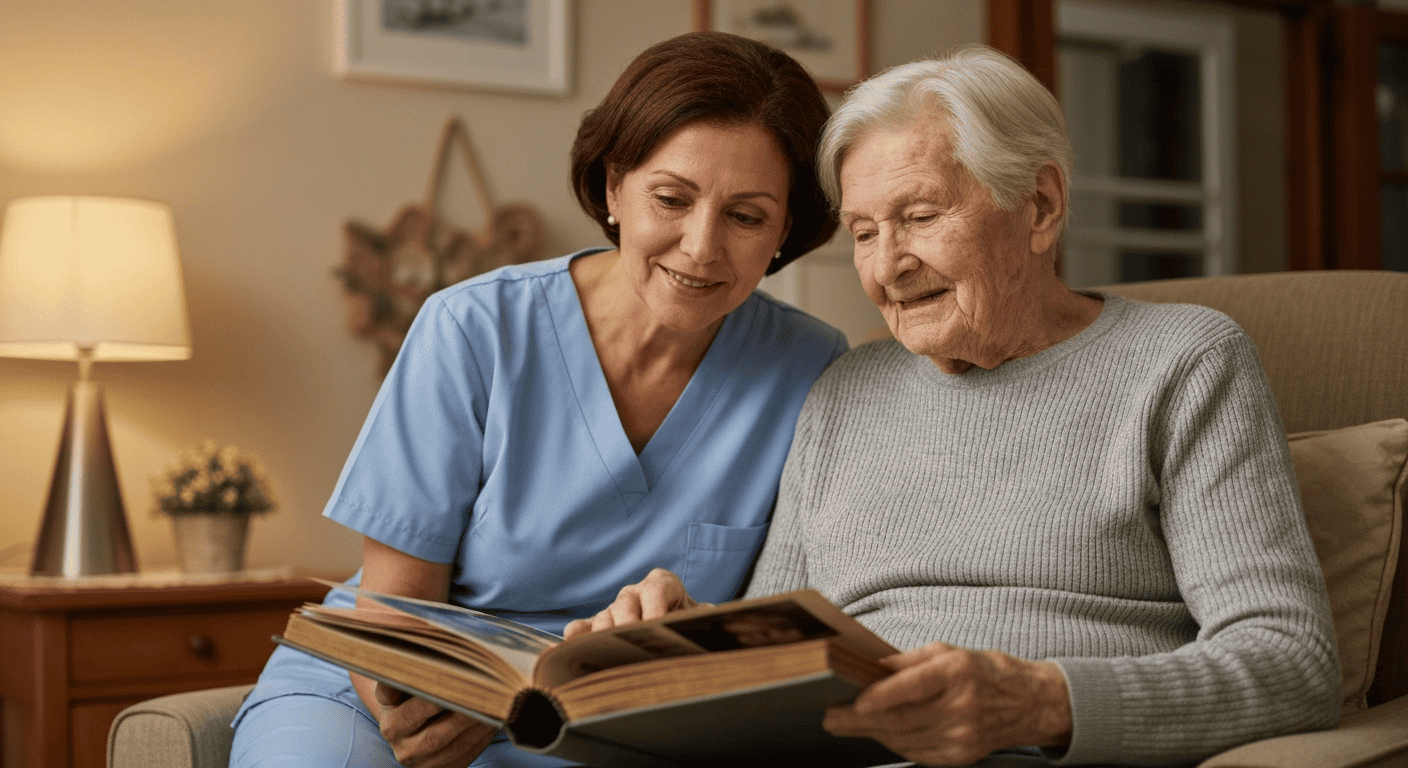
Ultimately, your primary goal is to ensure your loved one is safe, comfortable, and cared for with respect. By using this checklist and staying attuned to their changing needs, you are providing them with an incredible gift. Remember to also care for yourself; caregiving is a marathon, and your own well-being is essential to providing the best support for your loved one.