Choosing the right senior care for a loved one is one of the most significant decisions a family can make. The process often involves touring various care centers, comparing menus, examining activity calendars, admiring beautifully landscaped grounds. While these elements contribute to the overall experience, a far more critical metric often goes unexamined: the caregiver to resident ratio. This simple number holds the key to the quality of care, safety, and daily happiness your loved one will experience.
For families in Washoe County, understanding this ratio can be the difference between choosing a home where a resident merely exists and one where they can truly thrive. This article will explore what a caregiver- to- resident ratio really means, How it directly impacts the well-being of seniors, and what you should be looking for as you navigate the options for senior living in the Reno and Sparks area.
What Exactly is a Caregiver-to-Resident Ratio?
At its core, the caregiver- to- resident ratio is a straightforward measure it tells you how many residents a single direct caregiver is responsible for during a specific shift. For example, a ratio of 1:8 means one caregiver is on hand to support eight residents. However, it’s crucial to clarify the terminology, as some larger centers may use a “staff-to-resident” ratio, which can be misleading.
A “staff-to-resident” ratio often includes all employees on-site, from administrators and cooks to maintenance and housekeeping staff. While these roles are essential, they are not the individuals providing direct, hands-on support. The “caregiver-to-resident” ratio specifically counts the Certified Nursing Assistants (CNAs) or personal care aides who assist with bathing, dressing, medication management, and mobility. This is the number that truly reflects the level of personal attention a resident can expect to receive.
In Nevada, the state regulations for assisted living staffing are based on providing sufficient personnel to meet the needs of the residents, rather than a specific, mandated number. According to the Nevada Administrative Code (NAC 449.213), a home must maintain “sufficient, qualified and competent staff on duty and available at all times to meet the needs of the residents.” This flexibility means the actual ratios can vary dramatically from one care center to another, making it imperative for families to ask direct and specific questions during their search.

The Direct Link Between Staffing Ratios and Quality of Senior Care
A lower number of residents per caregiver is a not luxury; many experts believe it’s a fundamental component of high-quality, resident-centered care. When caregivers have a manageable number of individuals to support, the benefits ripple through every aspect of daily life, profoundly impacting physical health, safety, and emotional well-being.
Improved Physical Health and Safety
One of the most immediate benefits of a high caregiver-to-resident ratio is the enhanced support for Activities of Daily Living (ADLs). These are the fundamental self-care tasks we all perform, such as bathing, dressing, eating, and transferring from a bed to a chair. In a setting with a lean ratio, a resident may have to wait for assistance, leading to potential delays, frustration, and even safety risks.
With more caregivers available, help is more immediate. This promptness is critical for preventing falls, a major concern in senior care. A caregiver who isn’t stretched thin can take the time to properly assist a resident with mobility, rather than rushing to the next person. Furthermore, better ratios are linked to more accurate and timely medication management, reducing the chance of dangerous errors. Staff have the bandwidth to double-check prescriptions, observe for side effects, and ensure medications are taken as prescribed.

Fostering Genuine Connections and Emotional Well-being
Beyond physical tasks, caregivers play an enormous role in a resident’s emotional and mental health. When a caregiver is responsible for 15 or more residents, their interactions can become transactional and rushed, focused solely on completing a checklist of duties. They simply don’t have the time to sit, listen, and form the genuine human connections that combat loneliness and depression.
In a high-ratio environment, caregivers have the gift of time. They can learn a resident’s life story, understand their unique personality, and notice subtle shifts in mood or behavior that might indicate an underlying health issue. This individualized attention for seniors makes them feel seen, heard, and valued as people, not just asa room number. This relational approach to care is a powerful antidote to the isolation many seniors experience.
Reduced Caregiver Burnout and Lower Turnover
A frequently overlooked benefit of a strong caregiver-to-resident ratio is its positive effect on the staff themselves. Caregiving is a demanding profession, and when staff are overworked and overwhelmed, burnout is almost inevitable. High levels of burnout lead directly to high staff turnover, creating an unstable and inconsistent environment for residents who thrive on routine and familiar faces.
Conversely, a well- staffed care home fosters a more sustainable and positive work environment. Caregivers feel supported and are better able to perform their duties with patience and compassion. This leads to greater job satisfaction, lower turnover, and a consistent team of professionals who are deeply familiar with the residents they support. This stability is invaluable for creating a true sense of home and security for everyone.

Navigating Senior Living in Reno: What to Ask
As you explore senior living communities in Reno, it’s important to be an informed and proactive consumer. While the lobby may be grand and the dining room elegant, the real quality of life is determined by the people providing the care. Many larger, more traditional assisted living centers operate on leaner ratios to manage the significant overhead costs associated with a large building and numerous residents.
To get a clear picture of the care your loved one will receive, you must dig deeper. When you tour any care center, be prepared to ask pointed questions about their staffing model. Here are some essential questions to have on your list:
- What is your direct caregiver-to-resident ratio during the day shift?
- How does that ratio change for the evening shift and the overnight shift?
- What are your typical weekend and holiday staffing ratios?
- How do you adjust staffing if a resident requires more intensive support, such as memory care or 24-hour nursing care?
- What is your annual staff turnover rate for direct caregivers?
- Are caregivers assigned to a specific group of residents (primary caregiving), or do they care for everyone?
The answers to these questions will provide a much more accurate gauge of the level of attentive caregiving staff you can expect. A home that is transparent and proud of its staffing numbers is often one that prioritizes resident-centered care.
The Challenge with “Average” Ratios in Traditional Models
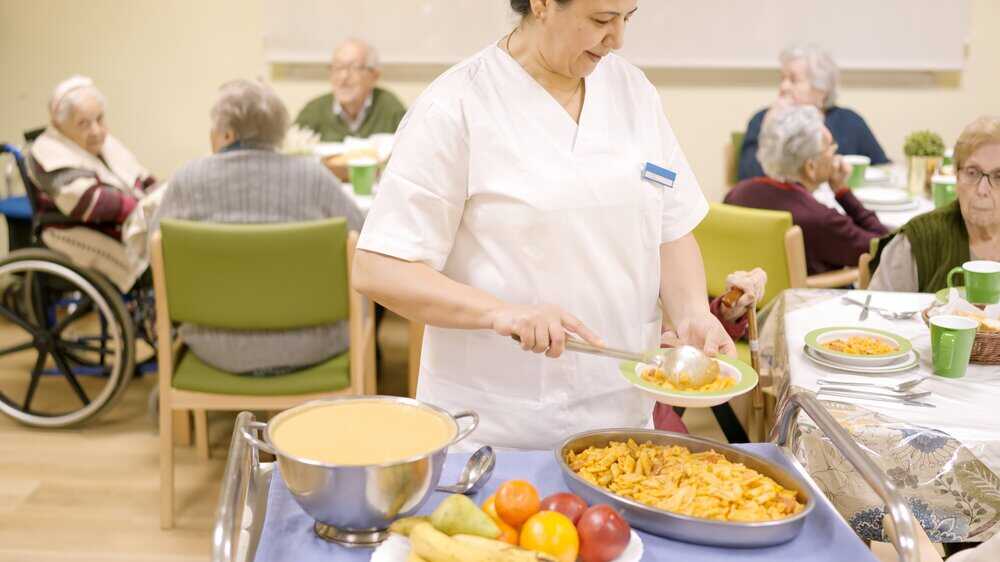
Many conventional assisted living centers in Reno and across the country Operate with daytime caregiver-to-resident ratios that might range from 1:12 to 1:20, or even higher. While these numbers may meet the minimum state guidelines, the reality on the ground can be challenging. A single caregiver trying to meet the diverse and often simultaneous needs of over a dozen seniors is an immense task.
Imagine a scenario where one resident needs help getting to the bathroom, another has had a fall, a third is experiencing anxiety, and a fourth is refusing to eat all at the same time. In a low-ratio environment, this creates a system of triage where the most “urgent” need gets attention, while others must wait. Residents who are less able to advocate for themselves, perhaps due to dementia or a quiet personality, may find their needs inadvertently overlooked.
This is not a failure of the caregivers themselves, who are often compassionate and hardworking individuals. It is a limitation of a business model where economies of scale can sometimes come at the expense of personalized care. For families seeking a higher standard of individualized attention, it’s worth exploring alternative models that are structured differently from the ground up.
A New Approach: The Power of the Small-Scale, High-Ratio Model
In response to the limitations of larger institutions, a more innovative and heart-centered model has emerged the small residential care home. Instead of a large, hotel -like building, these are real homes in quiet neighborhoods, typically modified to accommodate a very small number of residents often just one or two.
Pioneering this resident-centered care model in Reno, some providers are transforming the experience of aging by focusing on an incredibly high caregiver-to-resident ratio. In a setting with a maximum of two residents, the concept of “waiting for care” is virtually eliminated. The ratio is, by design, 1:1 or 1:2, ensuring that support is always immediate, personal, and deeply attentive. This is the ultimate form of assisted living with high caregiver to resident ratio Reno, where the structure itself guarantees a level of service that is difficult to replicate in larger settings.
In this intimate environment, caregivers become like family. They learn every detail from how a resident likes their coffee to the stories behind their family photos. This deep familiarity allows for proactive care, anticipating needs before they become problems. The home environment is calm and peaceful, free from the institutional noise and frantic pace of a larger care center. It’s a model built on the simple but powerful idea that a home, not a facility, is the best place to receive care.

Making the Right Choice for Your Loved One
The search for senior care is a journey of the heart, guided by the desire to see a loved one safe, happy, and well-cared for. While amenities and aesthetics have their place, the true measure of a care home’s quality lies in its people and the time they have to dedicate to each resident. A high caregiver-to- resident ratio is the single most powerful indicator of a commitment to personalized, dignified, and compassionate care.
As you evaluate your options in Reno, look past the brochure and ask the tough questions about staffing. Consider what kind of environment will best suit your loved one’s personality and needs. For some, the social energy of a larger community may be appealing. For others, the peace, quiet, and truly individualized Attention of a small residential home may be the key to their well-being.
Ultimately, the goal is to find a place where your loved one will be known and cherished. True peace of mind comes not from knowing they are in a fancy building, but from knowing they are in the hands of caregivers who have the time, energy, and heart to provide the attentive care they deserve.