
Choosing a new home for a loved one is one of the most significant decisions a family can make. It’s a journey filled with complex emotions and a long list of logistical considerations. The process of exploring senior living options can feel overwhelming, but taking the time to tour different homes is an empowering step. It allows you to move beyond the glossy brochures and get a genuine feel for the environment, the people, and the quality of care.
A tour is more than just a walk-through; it’s a fact-finding mission and an intuitive check-in. The goal isn’t just to find a place that meets the basic needs for safety and support, but to discover an environment where your loved one can truly thrive. This guide will walk you through How to tour an assisted living facility, providing a comprehensive checklist to help you make an informed and heart-centered choice.

Before You Go: Preparing for Your Tour
Thorough preparation can transform your tour from a simple visit into a productive investigation. Doing your homework beforehand allows you to focus on the nuances of the environment and the culture of the home during your actual visit.
Research and Define Your Needs
Before scheduling any tours, start with some online research. A crucial first step is to look up the licensing and inspection reports for any home you are considering. These public records can offer unbiased insights into a home’s compliance with state regulations and any history of citations. You can typically find this information through your state’s Department of Health or by using resources like the Eldercare Locator, a public service of the U.S. Administration on Aging. (Fact-check link)
Next, take time to clearly define what your loved one needs and wants. Make a list of their non-negotiables. This includes the specific level of care required, such as assistance with bathing, dressing, mobility, or medication management. Also consider their personality. Are they a social butterfly who would enjoy a bustling environment with a full social activities calendar, or are they more introverted and might prefer a quieter, more intimate setting?
Schedule Wisely and Prepare Questions
When you call to schedule a tour, be strategic. Instead of a quiet mid-morning visit, ask to come during a more active time, such as lunchtime or during a scheduled activity. This gives you a better opportunity to observe the community atmosphere and interactions between residents and staff. Some homes may even allow you and your loved one to join them for a meal, which can be an excellent way to sample the food and chat with current residents.
Finally, compile a list of questions. Having your questions written down ensures you won’t forget anything important in the moment. Use the sections below to build your list, covering everything from care plans to monthly costs.

The On-Site Visit: What to Observe
During the tour, engage all your senses. Your observations of the physical space, the people, and the overall energy of the home are just as important as the answers you get from the staff. Trust your intuition.
First Impressions and Common Areas
The moment you walk through the door, take note of your first impression. Does the entrance feel welcoming and bright? Pay attention to the smell—it should be clean and fresh, not masked by heavy air fresheners or have underlying odors of urine or antiseptic. Observe the overall cleanliness and maintenance of the common areas, such as the dining room, library, and lounges. Are these spaces inviting and, more importantly, are they being used by the residents? Look for safety features like clear, well-lit hallways, secure handrails, and non-slip flooring.
Resident Rooms and Outdoor Spaces
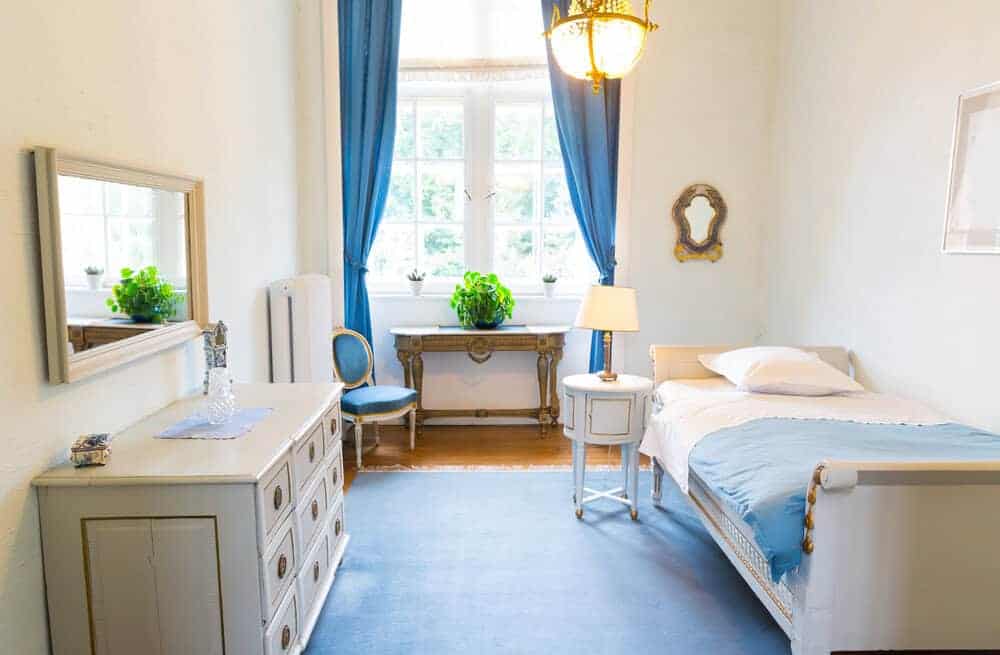
Ask to see a few different floor plan options if available, including both a staged model and an actual vacant room. This will give you a better idea of the true size and condition. Note the amount of natural light and storage space. Inspect the bathroom for critical safety features like grab bars in the shower and near the toilet, a raised toilet seat, and a walk-in or roll-in shower. Ask about the policy for personalizing the space—many residents feel more at home when surrounded by their own furniture and decor.
Don’t forget to assess the outdoor spaces. Is there a secure and accessible garden, courtyard, or patio? Spending time outdoors is beneficial for well-being, so look for pleasant, well-maintained areas with seating where residents can enjoy fresh air safely.

Key Questions to Ask the Staff
This is your opportunity to dig into the details of care, staffing, daily life, and costs. A transparent and confident staff should be happy to answer your questions thoroughly.
Care and Medical Services
The quality of care is paramount. It’s essential to understand how the home will manage your loved one’s specific health needs.
- How are initial resident care plans developed, and how often are they reviewed and updated?
- Can you walk me through your medication management process?
- What is the protocol for a medical emergency? Describe your emergency response system.
- What different levels of care do you provide?
- What happens if a resident’s health declines and their needs increase? At what point would they need to move to a different setting?
Staffing and Training
The caregivers are the heart of any senior living home. Their training, disposition, and availability directly impact your loved one’s daily experience.
- What is your staff-to-resident ratio during the day, evening, and overnight?
- What are the training, certification, and background check requirements for your care staff?
- How do you support ongoing training for conditions like dementia or mobility challenges?
- What is the average tenure of your staff? (A high turnover rate can be a red flag for underlying issues.)

Daily Life and Costs
Understanding the structure of daily life and the full financial picture is critical for avoiding future surprises.
- Could we see a sample dining menu for the week and a social activities calendar?
- How are special dietary needs and preferences accommodated?
- What is the base monthly cost, and what services are included (e.g., housekeeping services, laundry, meals, personal care services)?
- Can you provide a detailed list of all services that cost extra (a la carte services)?
- What are the terms of the contract, and what is your policy on rate increases?
Considering the Alternatives: What if a Large Setting Isn’t the Right Fit?
The traditional assisted living model, often located in large buildings with dozens or even hundreds of residents, works well for many. The bustling environment and extensive amenities can be a perfect fit for outgoing individuals. However, for some seniors, this type of setting can feel impersonal, noisy, or overwhelming. It’s important to recognize that one size does not fit all when it comes to a living environment.
Some individuals thrive in a much smaller, more intimate setting that more closely resembles a private home. This alternative is often found in the “residential assisted living” model, where care is provided in a licensed, conventional house within a neighborhood. These homes typically serve a very small number of residents, which fosters a close-knit, family-like atmosphere. The quiet and familiarity of a real home can be incredibly comforting, especially for those with anxiety or cognitive changes.
The primary advantage of this model is often the exceptionally high caregiver-to-resident ratio. When there are only a few residents, caregivers can provide a level of personalized attention that is simply not feasible in a larger setting. Innovative approaches in this space, such as the model used at Amy’s Eden, focus on creating true homes with a maximum of just one or two residents. This ensures that care is not just personalized but deeply relational, allowing strong bonds to form between residents and their caregivers. When considering your options, it’s worthwhile to ask if a quieter, more personal care home might be the best environment for your loved one’s unique personality and needs.
After the Tour: Making Your Decision
The process isn’t over when you walk out the door. Taking time to reflect and compare is a vital part of making a confident choice.
Debrief and Compare
As soon as possible after the tour, sit down with any family members who joined you and discuss your impressions. What did you like? What were your concerns? Write everything down while it’s fresh in your mind. If you are touring multiple homes, using a consistent checklist or creating a simple table can help you make an objective, side-by-side comparison of their features, costs, and your overall impressions.
Follow Up and Trust Your Gut
Don’t hesitate to make a follow-up call or send an email if new questions arise after you’ve had time to process the visit. A quality home will be happy to provide more information. Finally, after you have gathered all the facts and figures, take a moment to check in with your intuition. Beyond the checklist, how did the place *feel*? Can you genuinely picture your loved one being not just safe, but happy and comfortable there? Sometimes, the intangible feeling you get from a place is the most telling factor of all.
Choosing a care home is a journey of both head and heart. By preparing thoroughly, observing keenly, asking detailed questions, and considering all types of environments, you can navigate this path with confidence. The ultimate goal is to find a supportive, respectful, and nurturing place that your loved one can be proud to call home.
